If you’ve spent time working in the
industry, you’re aware of how much pressure there is to keep crews safe,
meet firm timetables, and stay within the budget. There isn’t time for
waste these days—and certainly not when it comes to the systems and
equipment that make it all work. Scaffolding may not make a flashy
impression, but it has a big influence on how fast a project progresses.
Here, we’ll demystify how modular
scaffolding, and Ringlock systems in particular, assist contractors to
work smarter, quicker, and with fewer hassles. Whether you are
coordinating procurement on a large project or buying scaffolding to
resell, the system you opt for may save you days on-site.
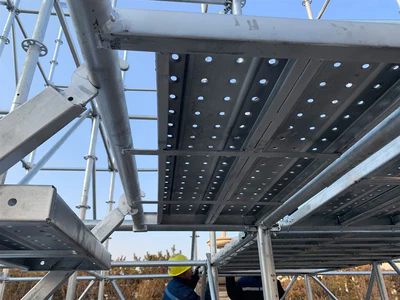
What Is Modular Scaffolding?Key Components of the systemModular
scaffolding employs standard pieces—such as vertical standards,
ledgers, braces, and locking rosettes—that are constructed to easily fit
together. Clamps and bolts are not required, and connections are
achieved with limited tools and training.
Ringlock scaffolding, meanwhile, is
built with speed in mind. Its rosette shape means that it has a
potential eight connections to a single node, making it extremely stable
and adaptable. It’s constructed to save time and yet support serious
loads.
Ringlock versus CuplockWhereas
Cuplock uses cup joints and is standard in some markets, Ringlock is
used primarily on intricate projects because of its greater versatility
and quicker build time. It’s simpler to apply to irregular
configurations like curved facades, sloped roofs, or varying-elevation
industrial buildings.
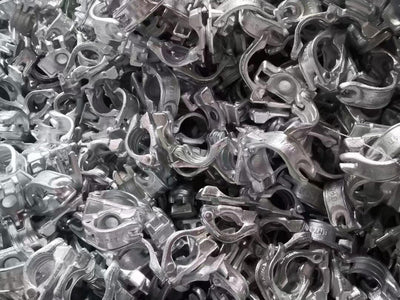
The Old Way: Traditional Methods of ScaffoldingTube and Coupler SystemsTube
and coupler scaffolding remains prevalent—but far from effective. It
requires couplers to connect steel tubes by hand and has to be
constantly adjusted, tightened, and inspected for safety. It’s also
cumbersome and difficult to manage out in the field.
Timber scaffoldingTimber
scaffolding is still used on certain projects, particularly where there
is restricted access to contemporary systems. But the wood deteriorates
sooner, is hard to standardize, and does not have the load-bearing
protection that engineered systems of steel offer.
Assembly Speed – Traditional versus ModularPre-engineered connectionsWhat
makes modular scaffolding truly unique—and systems like Ringlock in
particular—is how intelligently they are constructed. Rather than
spending time lining clamps up or tightening bolts, workers are able to
hook six to eight pieces together at one node with a quick
twist-and-lock mechanism. It’s fast, neat, and easy to replicate across
the entire site.
Less Components, Quick LayoutConventional
configurations require measuring, cutting, and adapting pipes to the
design. Pre-sized, pre-labeled, and pre-compatible pieces are used in
modular systems – no tape measures to deal with. It radically reduces
the time to assemble, particularly at multistoried sites.
Decreased Manpower and TrainingDue
to the system’s simplicity and repetition, a small crew with minimal
training can safely assemble a full scaffold. It not only lowers labor
expenses but also decreases the potential of human error or
fatigue-related accidents.
Disassembly and Reuse BenefitsRapid Disassembly Without DamageModular
scaffolding comes down just as easily as it’s raised. No bolts are ever
seized. No compromised connectors. The components are built to resist
repeated cycles, which equals accelerated tear-down and reduced
downtime.
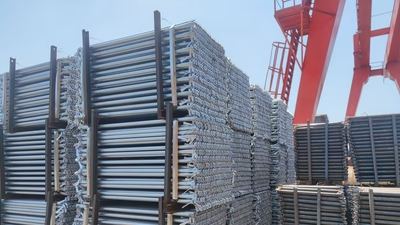
Stackable and Easy to TransportSince
the units are uniform and can be stacked, loading, unloading, and
stowing Ringlock scaffolding is a cinch. Whether shipping
internationally or relocating to a new jobsite, the shipping process is
significantly easier than with older systems.
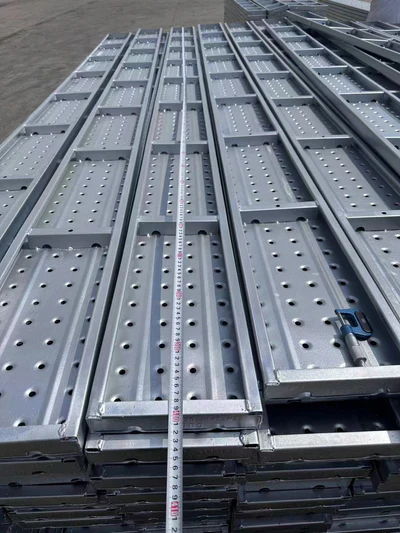
Durability Pays OffGalvanized
steel products resist wear and rust, providing a longer life of the
product. For contractors and distributors, it means increased rotations
per investment and reduced replacements over time.
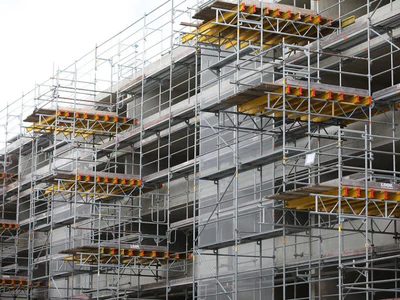
Real World Application: A Mid-Rise Project ExampleEnvision
building a six-story office tower. It would take a 10-man crew a full
workweek to build it using conventional tube-and-coupler. Using
Ringlock, the same structure can be built in 2–3 days by a reduced crew.
That time reduction adds up quick—particularly if repeated on dozens of
projects per year.
Why Procurement Needs to Be FastEach
delay on a building site has a ripple effect—from delayed inspections
to postponed handovers. By utilizing quicker systems like Ringlock,
procurement teams keep the entire project on schedule. For overseas
importers or distributors, making quicker-setup systems available makes
your product significantly more attractive to time-sensitive local
contractors.
There’s a reason that so many
contractors are making the switch to Ringlock systems—it simply makes
sense. It goes up fast, comes down just as fast, and saves time and not
corners. With schedules, budgets, and safety checklists to fit around, a
system that makes things work efficiently is not just convenient—it’s
critical.
📞 Ready to accelerate your next project with Ringlock scaffolding?Let us assist you in making the correct system choice that suits your requirements. Contact us today.