In today’s construction and industrial projects, safety, speed, and efficiency are top priorities. That’s why Ringlock scaffolding systems have become the preferred choice for many contractors around the world. At the heart of this system are two essential components: the Octagon Disk and the Rosette. While they serve similar purposes, their differences can impact your project’s performance, budget, and compatibility. Understanding these differences can help you make smarter purchasing decisions.
What Is a Ringlock Scaffolding System?
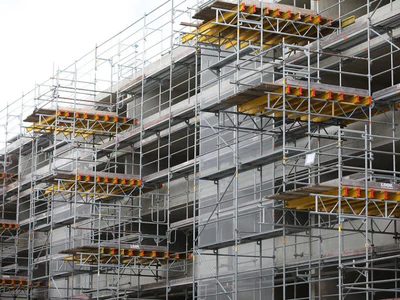
The Ringlock system is a modular scaffolding design known for its high load capacity, easy assembly, and safety features. It is widely used in building construction, shipbuilding, petrochemical plants, and infrastructure maintenance.
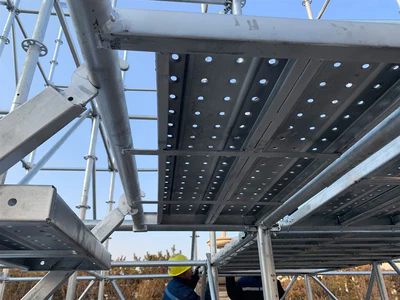
A typical Ringlock vertical standard has a circular or octagonal steel plate welded at 500mm intervals. This plate acts as a connection node where horizontal ledgers, diagonal braces, and other components lock in using a wedge-head design. This quick-connect mechanism minimizes the need for bolts or tools and increases on-site assembly speed.
Two main types of these connection plates are:
Rosette (Round Disk)
Octagon Disk (Eight-Sided Disk)
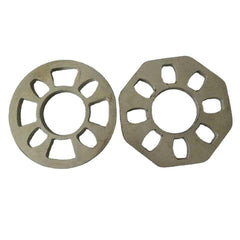
Let’s explore what makes them different and how to decide which one fits your needs.
Octagon Disk vs. Rosette: A Side-by-Side Comparison
| Feature | Octagon Disk | Rosette (Round Disk) |
|---|---|---|
| Shape | Eight-sided (flat edges) | Round (circular edges) |
| Assembly Speed | Fast; slightly better alignment precision | Fast; more flexible angle positioning |
| Safety | Strong and tight joints | Proven safety with long-term use |
| Compatibility | May require matching accessories | Highly universal and widely compatible |
| Market Availability | Less common; fewer suppliers | Very common; broad supplier network |
| Cost | Slightly higher due to precision finish | Generally more affordable |
| Best For | High-precision projects, premium markets | General construction, cost-sensitive jobs |